
Energy Storage
Battery storage that saves the power you generate, cuts peak-rate imports and keeps you running through outages.
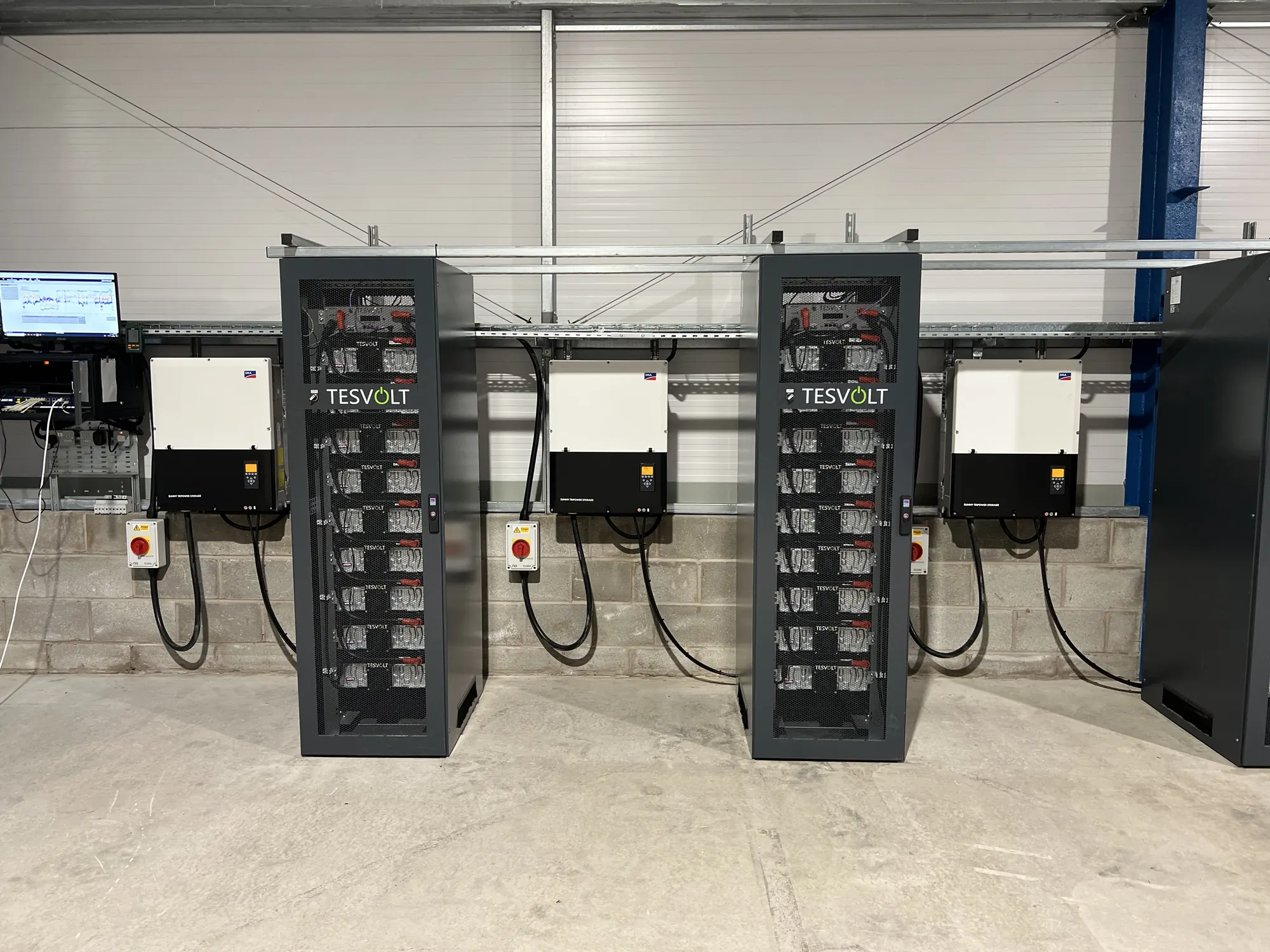
Commercial battery storage banks energy, from your solar, or from the grid at cheaper rates, to use when you need it. It acts as a buffer during shortages, deters emergency shutdowns and cuts costs at peak times.
It's particularly valuable for utilities, construction, data centres and factories, where downtime is expensive.
Cornerstone Group designs and installs commercial solar battery storage systems (BESS) for businesses across retail, education, healthcare, manufacturing and more: each specified for your site, integrated with your infrastructure and built to perform.
What’s included
What is a commercial battery energy storage system?
A commercial BESS captures the electricity your solar panels generate, stores it and releases it on demand. Most use lithium-ion technology with a long cycle life (typically 8,000+ cycles) and can be charged from your solar array, from the grid at cheap off-peak rates, or both.
Why pair solar with storage
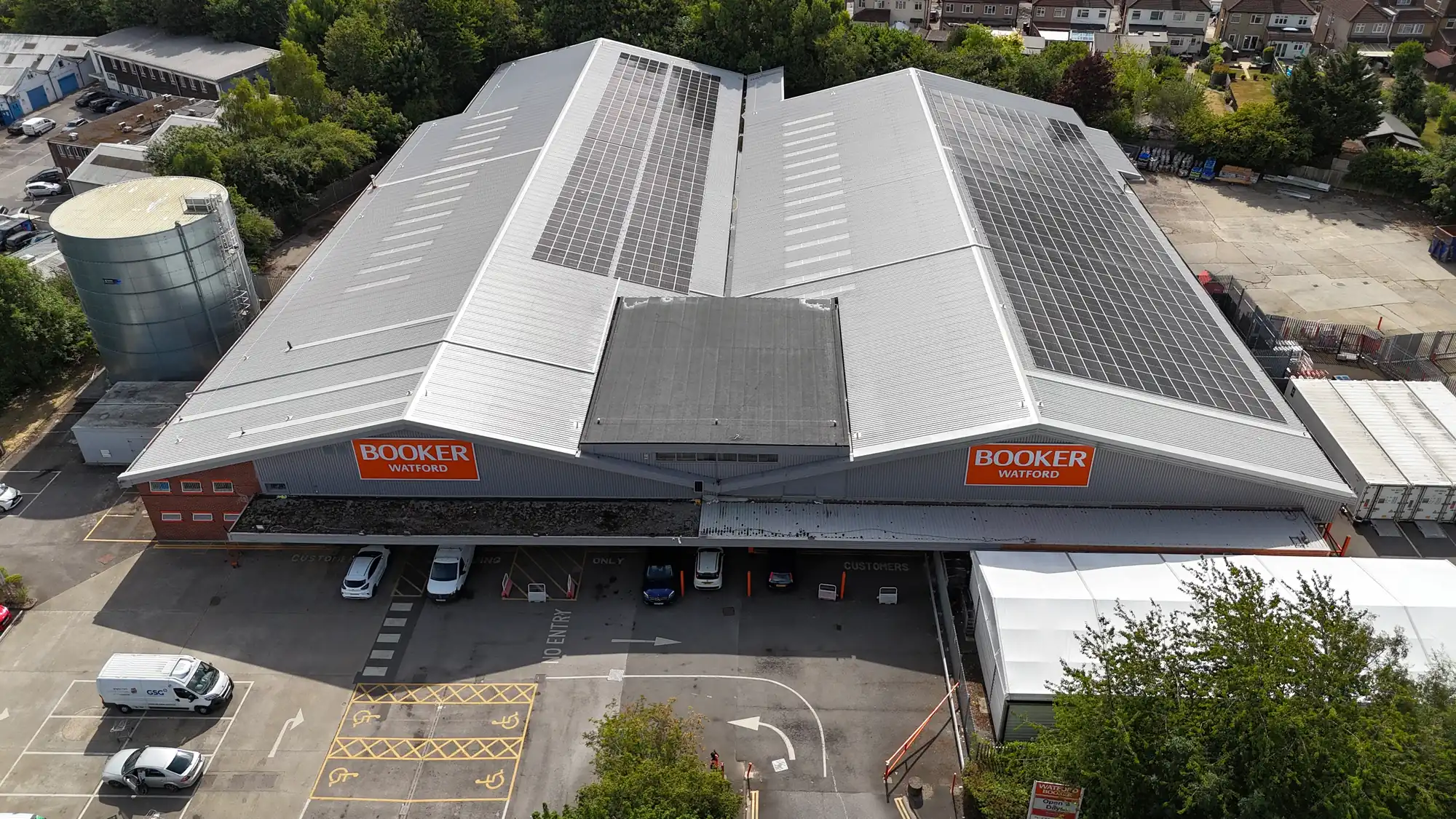
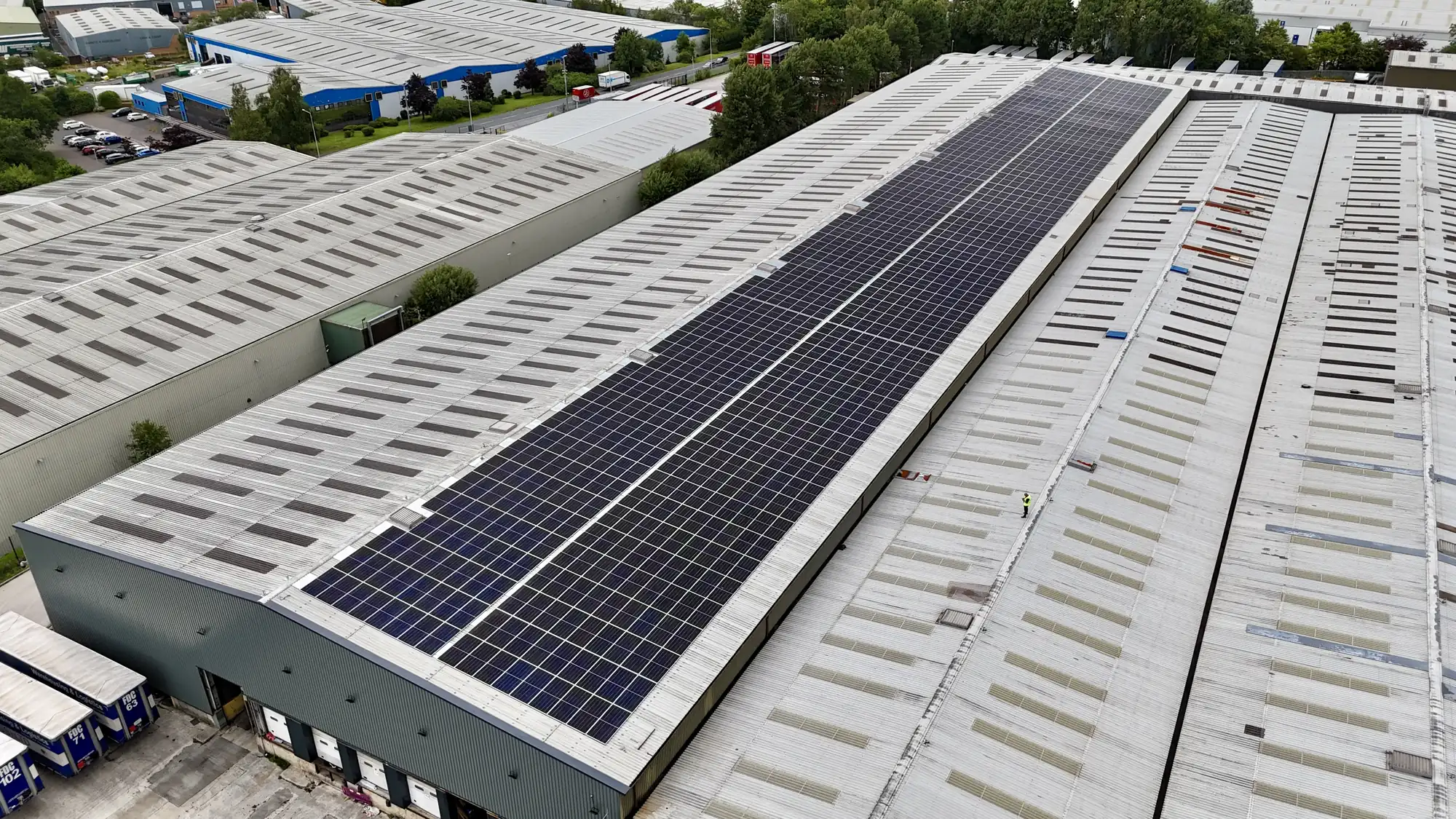
Without storage, a typical commercial solar installation self-consumes only 40–55% of what it generates, exporting the rest at low Smart Export Guarantee rates. Adding a BESS raises self-consumption to 75–90%, cutting your grid reliance and costs further.
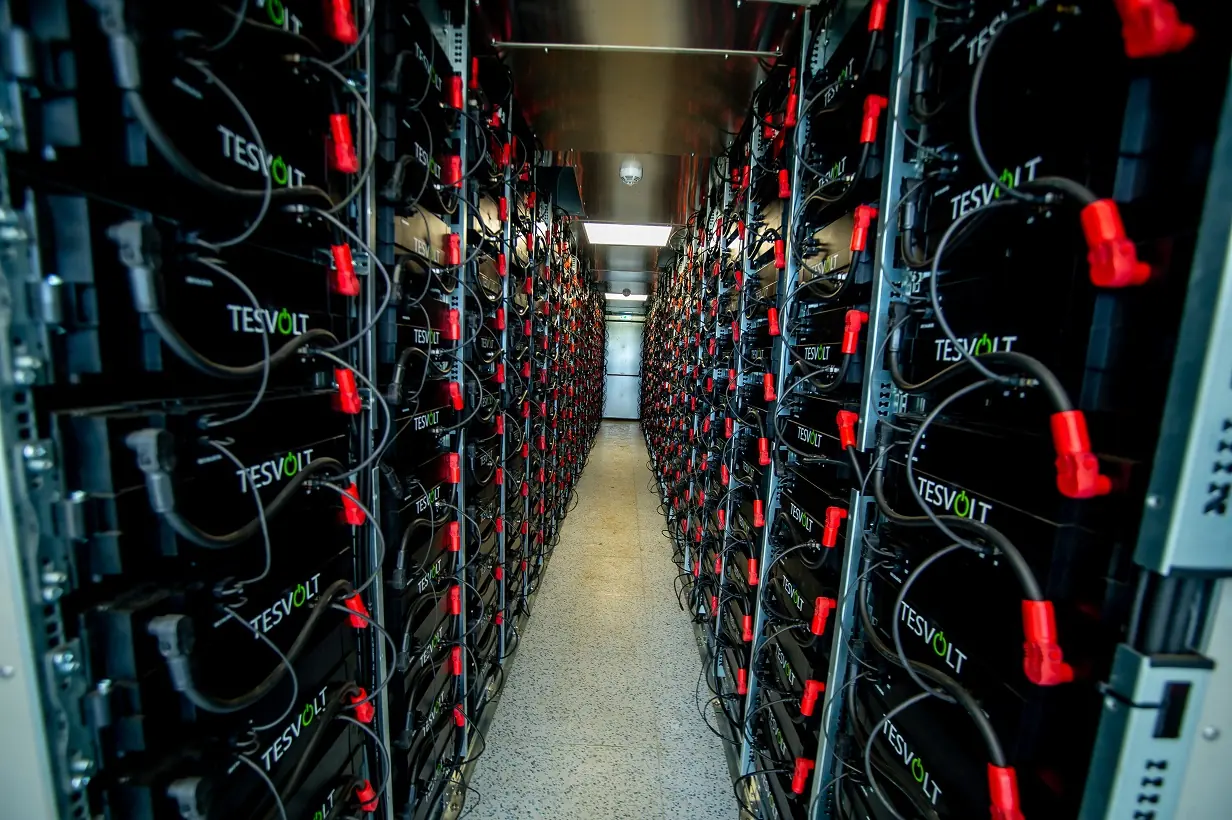
How storage delivers value
- Peak demand shaving: discharging during demand peaks to cut TNUoS and DUoS demand charges.
- Load shifting: charging on the cheapest Time-of-Use tariff and discharging during expensive daytime periods.
- Solar self-consumption: storing surplus rather than exporting it cheaply.
- Backup power: switching to battery in milliseconds during outages, without diesel fuel or emissions.
- Grid services revenue: larger systems can earn from Dynamic Firm Frequency Response and the Balancing Mechanism.
- EV charging integration: powering chargers from stored energy to avoid demand-spike penalties.
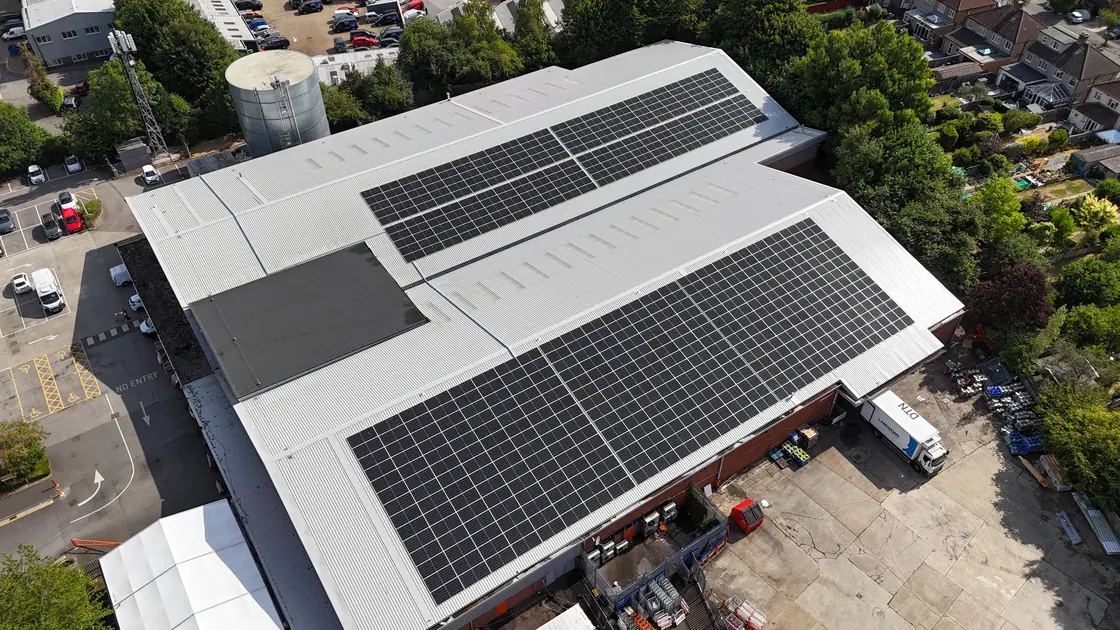
Across sectors
Retail (refrigeration and HVAC peaks), manufacturing and industrial (high machinery demand), education (large roofs, term-time patterns), healthcare (resilience for critical systems), and hospitality and leisure (extended high loads).
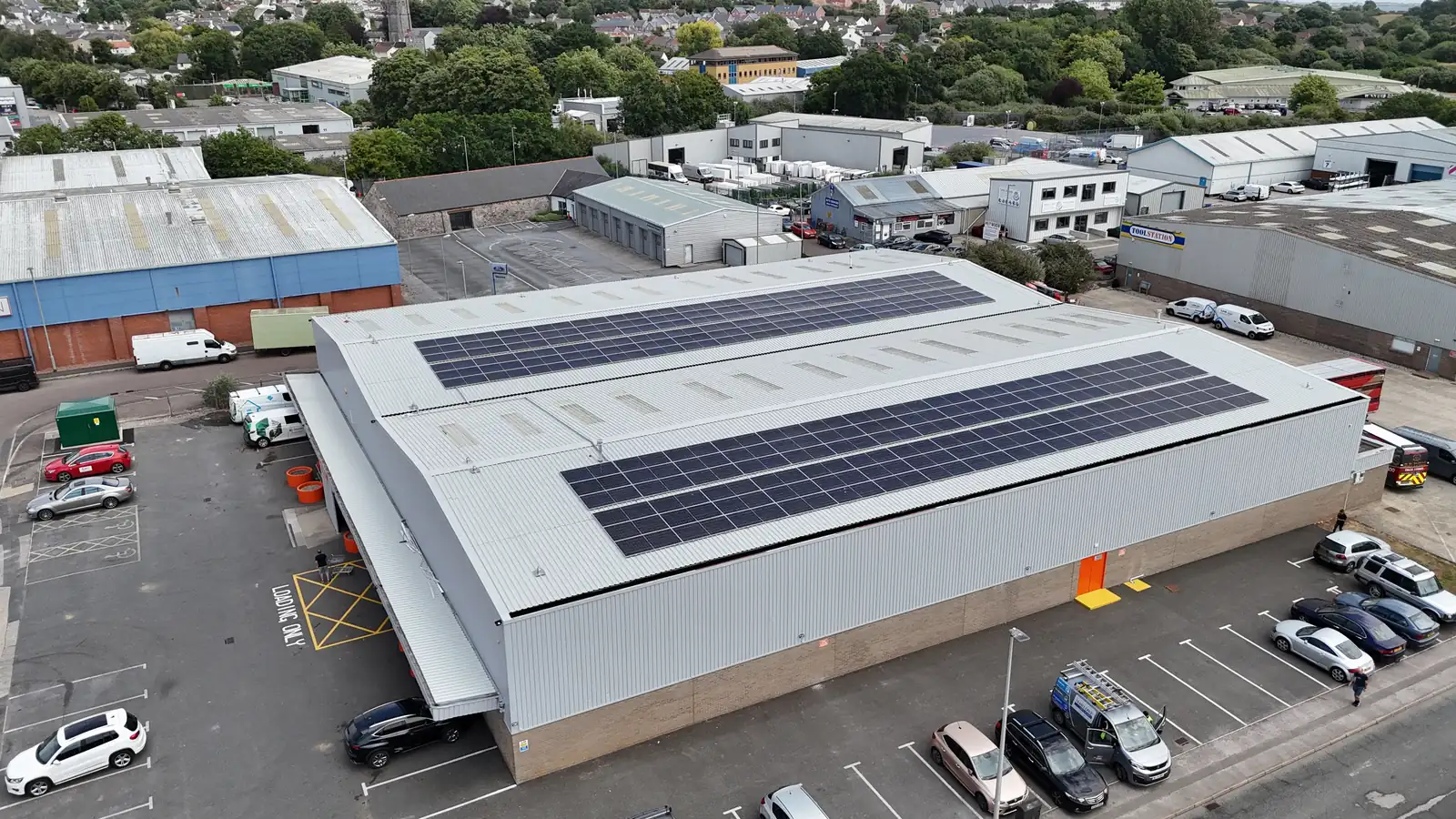
Financing and process
Options include CAPEX ownership, lease-to-own and government renewable-energy loans. We manage every stage: discovery and energy audit, feasibility and system design, proposal, grid connection and DNO liaison, installation, commissioning and ongoing support.
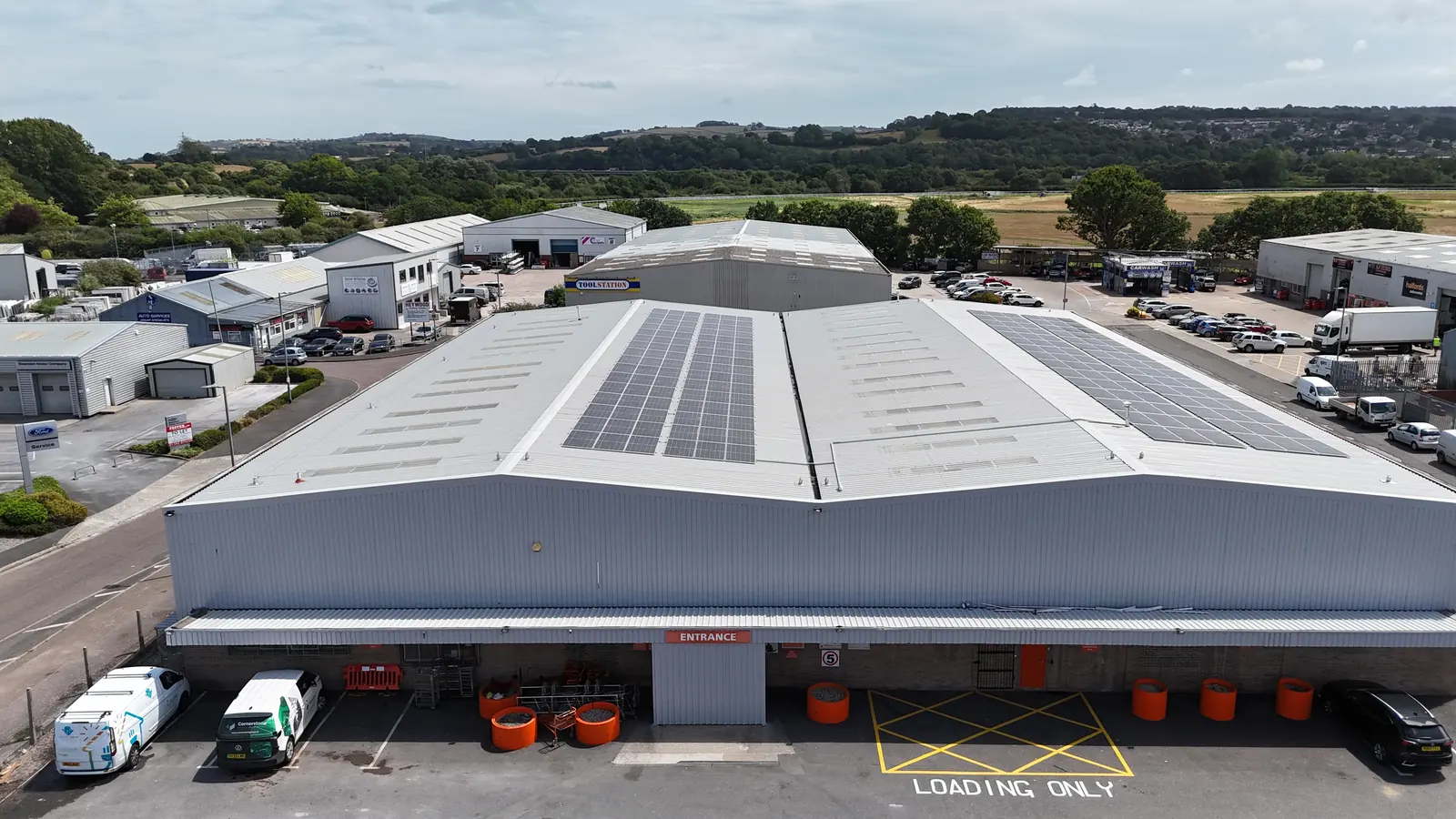
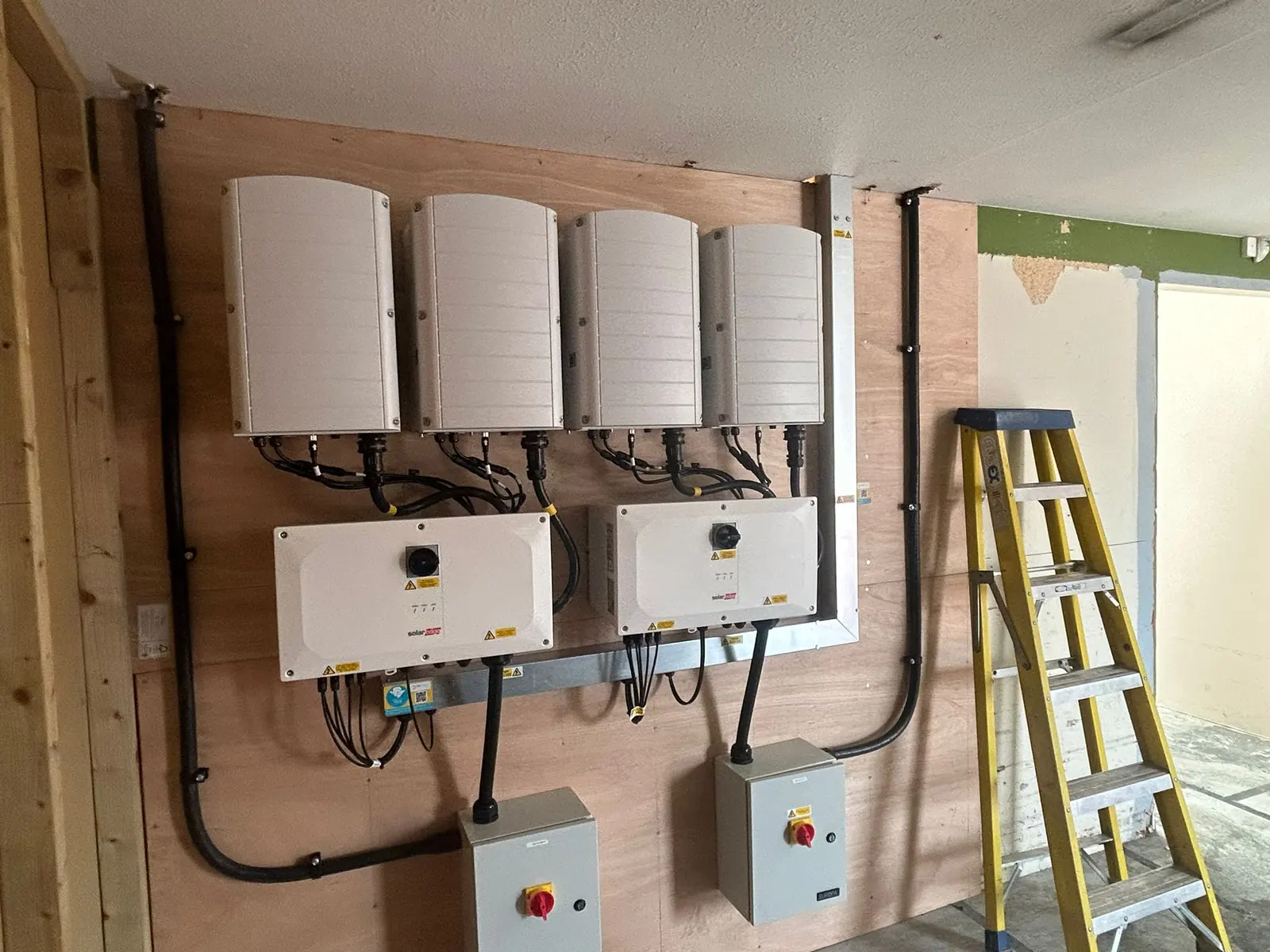
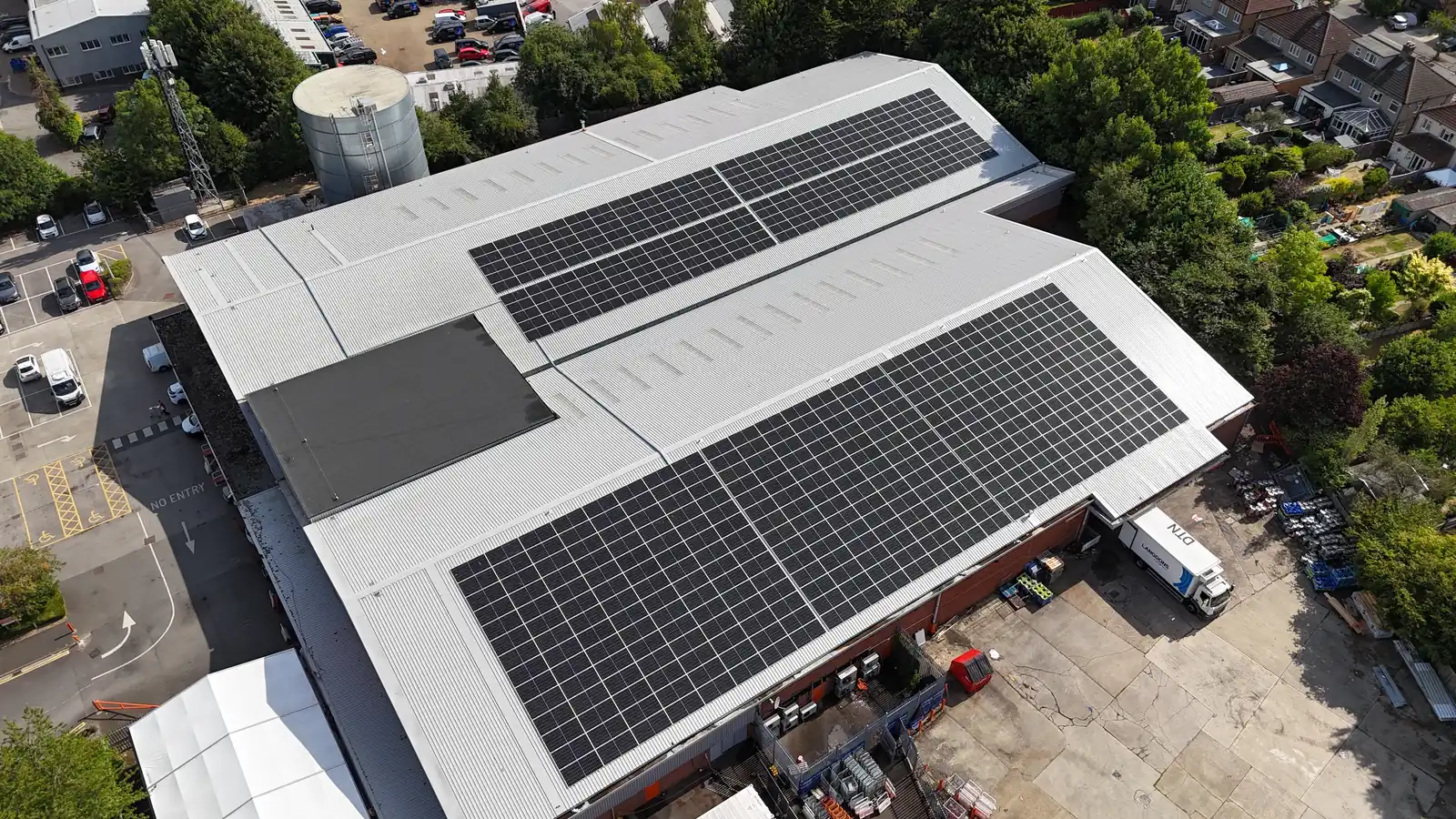
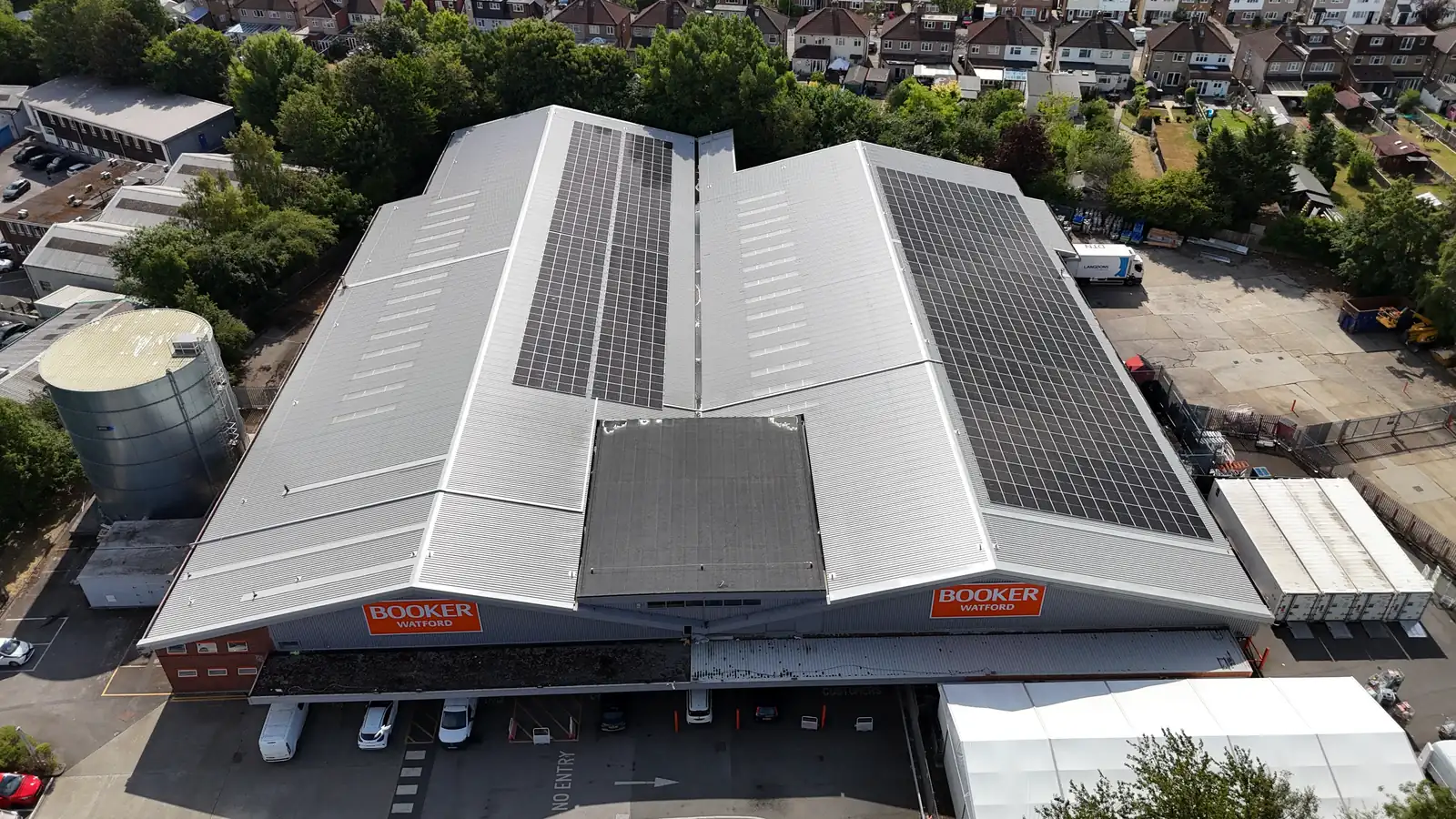
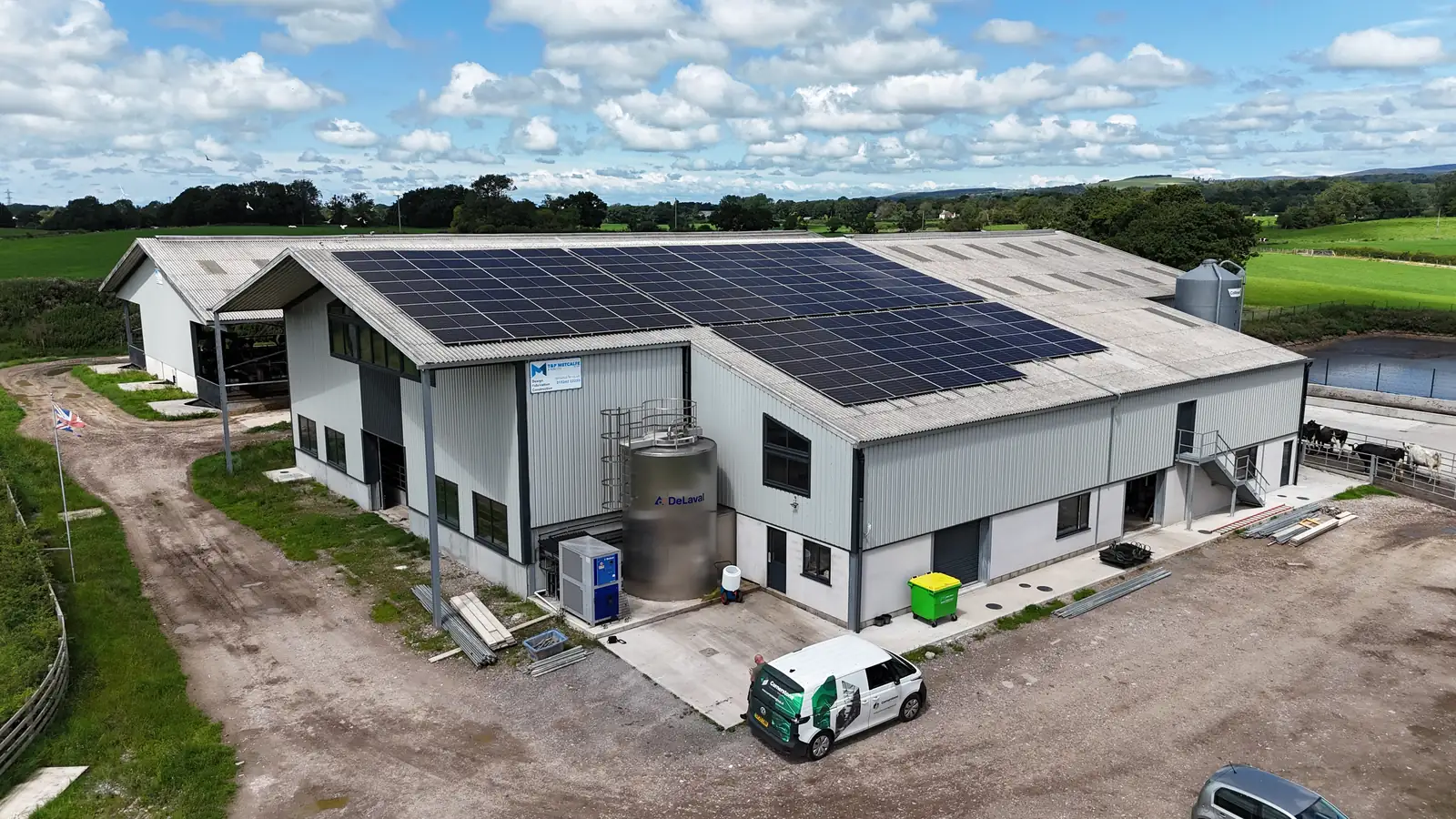
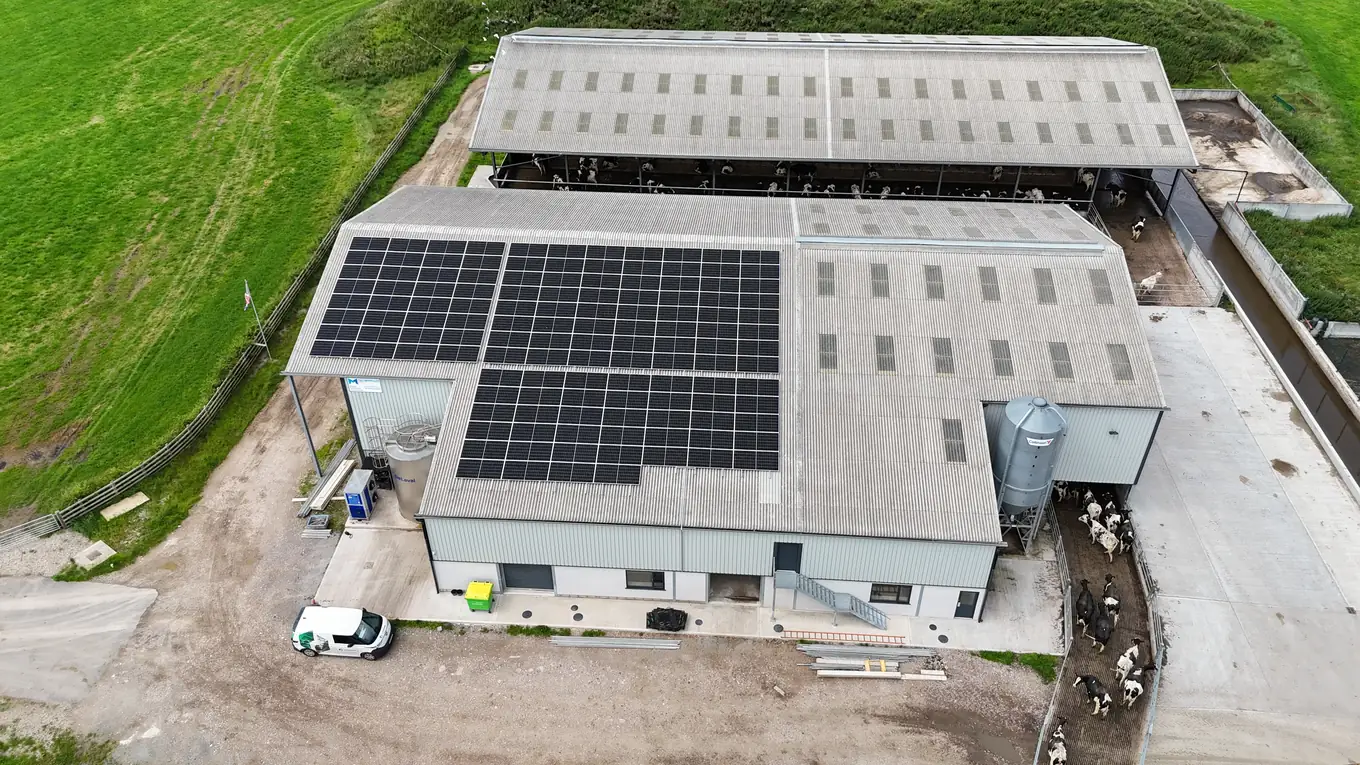
Seen in our projects.
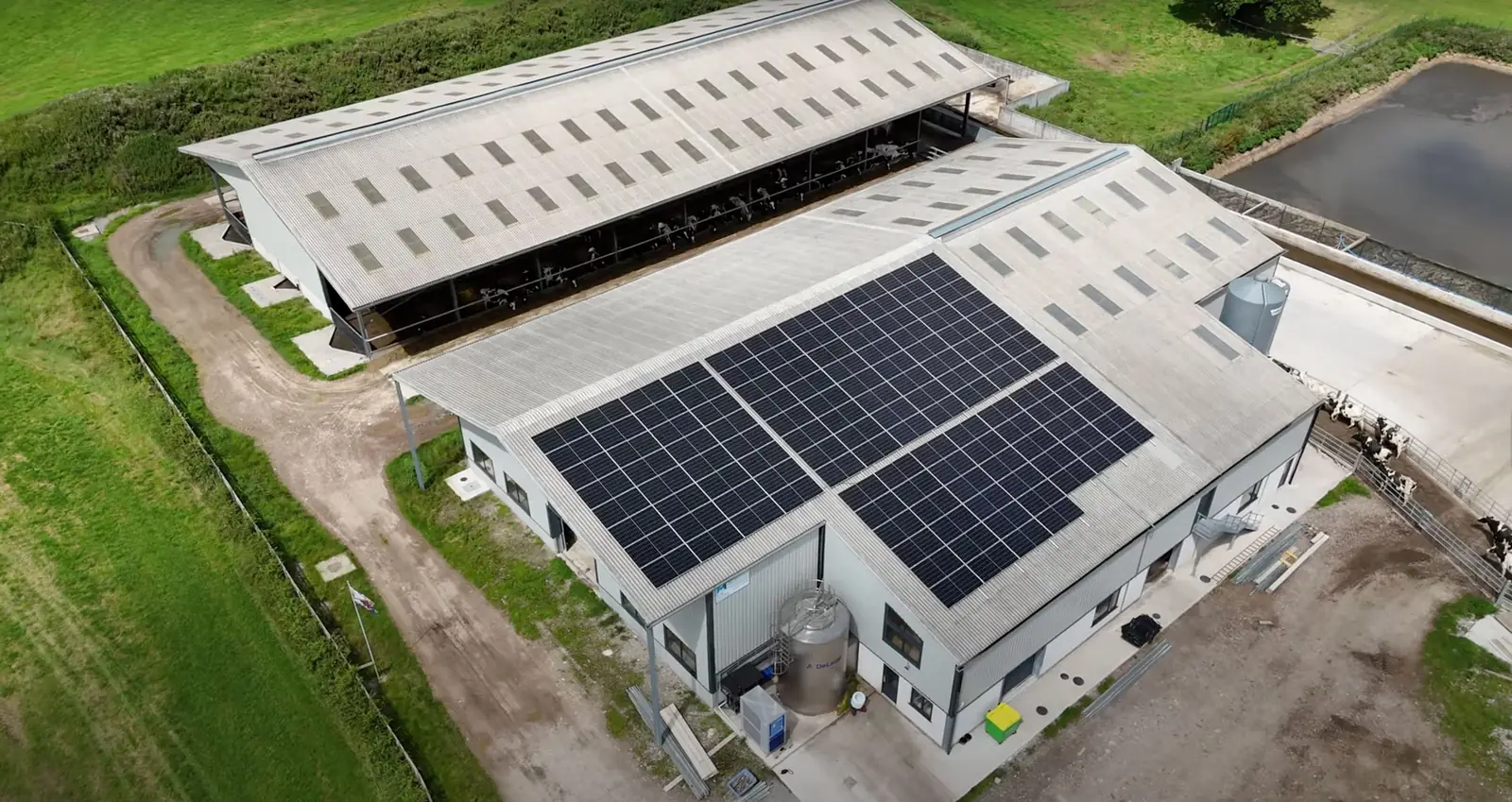
Power you can see.
Commercial rooftop, ground-mount and agricultural solar installed by our energy team.
Guides and project stories.
GuidesBattery storage for business: when it makes sense and what it deliversWhen commercial battery storage makes sense, how it lifts solar self-consumption and how it keeps your business running through outages.Read the article GuidesCommercial solar payback explained: what affects it and how long it takesHow commercial solar payback works, what drives it, from daytime demand to roof condition, and how we model yours before you commit.Read the article Renewable EnergyOne roof, one array, one 30-year warrantyHave Cornerstone fit your new roof and install your solar, and both are covered by a single combined 30-year warranty.Read the article Power your business with solar.
Our renewables team designs, installs and maintains commercial solar, storage and EV charging across the North West and the UK.
Battery storage questions answered.
Can't see your question here? Our team is happy to talk it through.
Do we need battery storage if we already have solar?
Without storage, a typical commercial solar installation self-consumes only 40 to 55% of what it generates and exports the rest at low Smart Export Guarantee rates. Adding a battery system raises self-consumption to 75 to 90%, cutting your grid reliance and costs further.
Can a battery keep our site running during a power cut?
Yes. Battery backup switches over in milliseconds during an outage, without diesel fuel or emissions, which is particularly valuable where downtime is expensive.
Can the battery be charged from the grid as well as solar?
It can be charged from your solar array, from the grid at cheap off-peak rates, or both. That lets you shift load away from expensive daytime periods and shave demand peaks.
How long do commercial batteries last?
Most commercial systems use lithium-ion technology with a long cycle life, typically 8,000 or more cycles. Our designs are expandable, so capacity can grow with your needs.
How can we pay for battery storage?
Options include CAPEX ownership, lease-to-own and government renewable-energy loans. We manage every stage, from energy audit and design through DNO liaison, installation, commissioning and ongoing support.
Let's talk about your next project.
One call reaches the whole group. Tell us what you need and we'll bring the right teams together.