
Battery storage is the part of a commercial solar project that most businesses ask about and fewer fully understand. Does it pay its way? Is it only for backup? This guide explains what commercial battery storage does, when it makes sense for a business, and how it improves self-consumption and resilience.
What a commercial battery storage system does
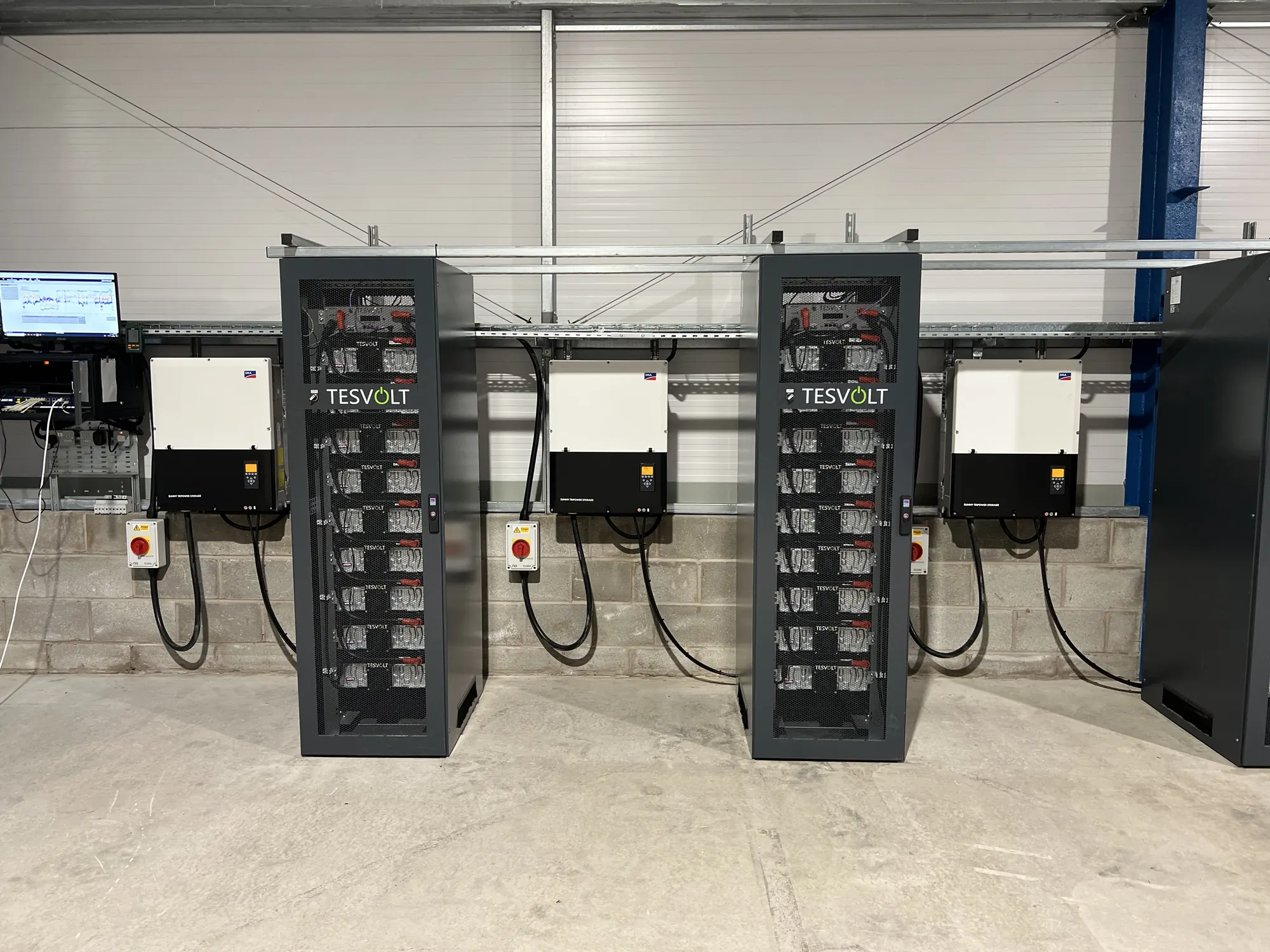
A commercial battery energy storage system (BESS) captures the electricity your solar panels generate, stores it and releases it on demand. Most use lithium-ion technology with a long cycle life, typically 8,000 cycles or more. A battery can be charged from your solar array, from the grid at cheaper off-peak rates, or both.
In simple terms, storage lets you use energy when it is most valuable to you, rather than only when it happens to be generated. Find out more on our commercial energy storage page.
Self-consumption: the main reason to add storage
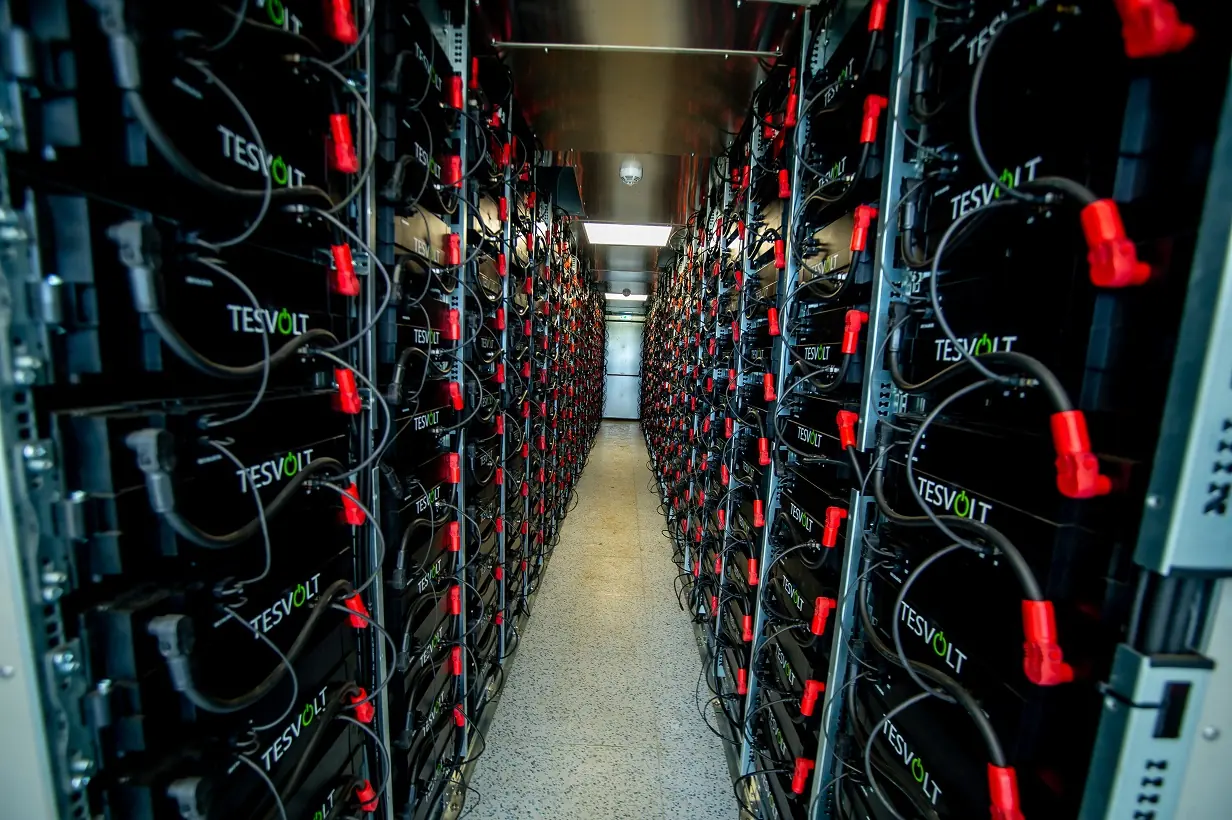
Solar generates during daylight, but your demand does not always line up with it. Surplus power at midday is exported, and exported power earns much less than the grid price you avoid by using it yourself.
Without storage, a typical commercial solar installation self-consumes only 40% to 55% of what it generates, exporting the rest at low Smart Export Guarantee rates. Adding a battery raises self-consumption to 75% to 90%, cutting your grid reliance and costs further. That shift is why storage can strengthen the overall return on a commercial solar system. Our guide to commercial solar payback explains how self-consumption feeds into the numbers.
When battery storage makes sense for a business
Your solar produces more than you use at certain times
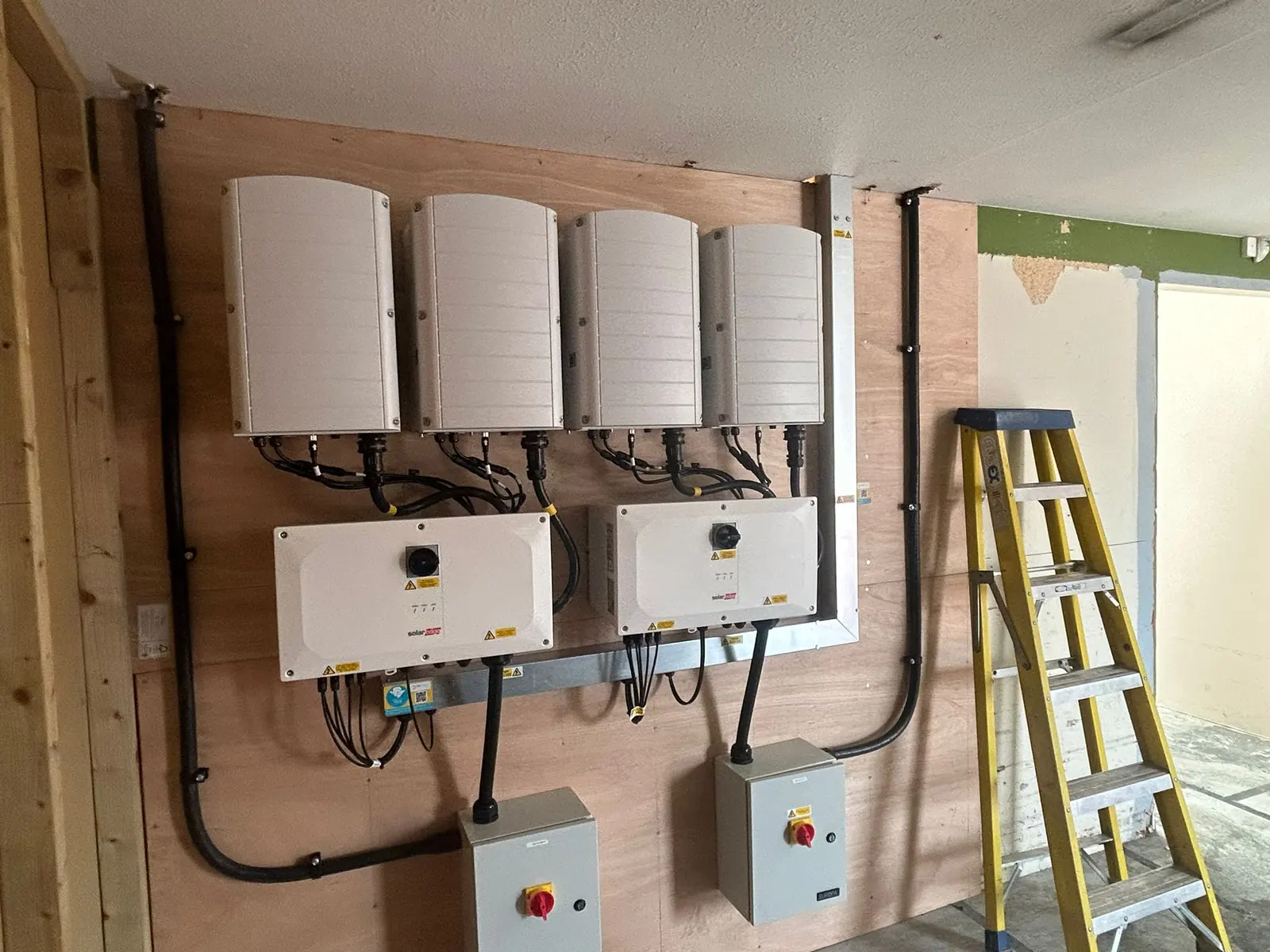
If your site exports a lot of generation in the middle of the day, or at weekends, storage can hold that surplus for the evening or the next shift. Manufacturers often use storage to hold surplus generation for later in the day. See our page on solar for manufacturing.
You pay heavily at peak times
Storage can discharge during demand peaks to cut TNUoS and DUoS demand charges, a technique called peak shaving. It can also load shift: charging on the cheapest Time-of-Use tariff and discharging during expensive daytime periods.
Downtime is expensive
A battery acts as a buffer during shortages and can switch to backup in milliseconds during an outage, without diesel fuel or emissions. Storage is particularly valuable for utilities, construction, data centres and factories, where downtime is costly, and for healthcare, where critical systems need resilience.
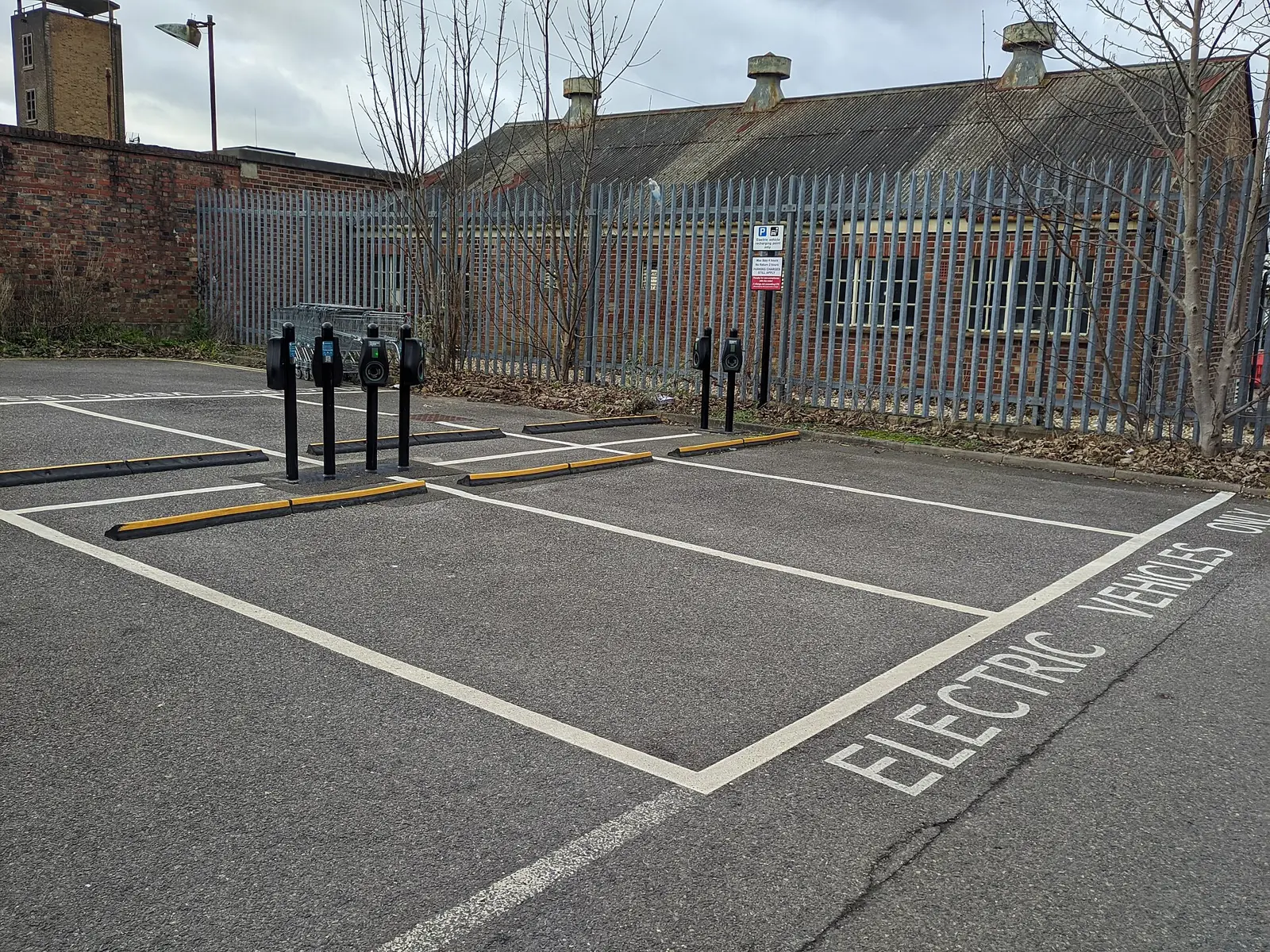
You are adding EV charging
Stored energy can power chargers and help avoid demand-spike penalties. If you are planning fleet or visitor charging, see commercial EV charging and solar carports.
Your system is large
Larger systems can earn revenue from grid services such as Dynamic Firm Frequency Response and the Balancing Mechanism.
Resilience: more than a backup generator
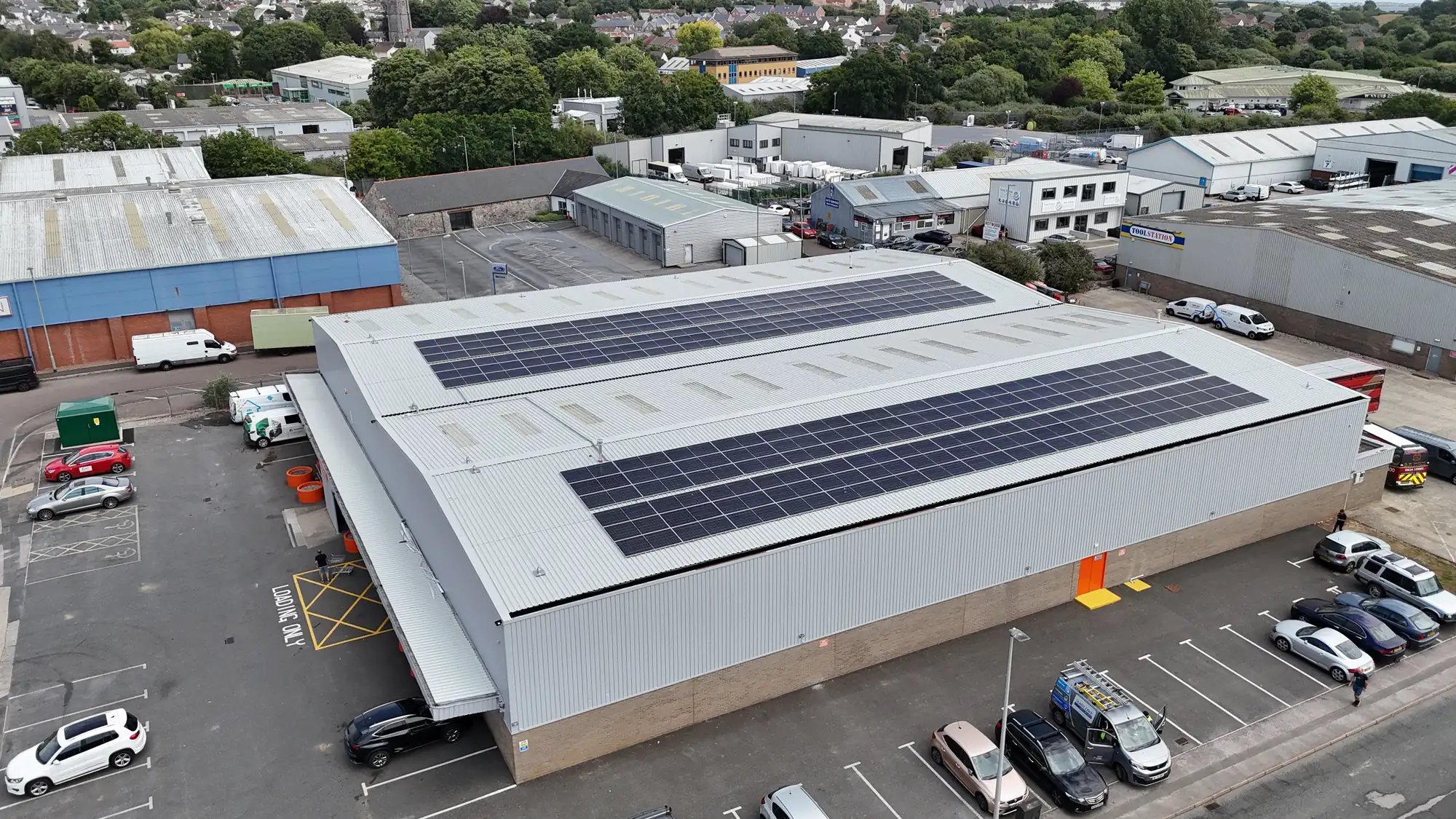
For many businesses the strongest case for storage is continuity. A production line that stops, a cold store that warms up or a clinical system that loses power can cost far more than the electricity itself. A battery can protect those critical loads while still earning its keep every day through self-consumption and peak shaving. We have built resilient power into live healthcare settings, as at Greater Lancashire Hospital, where uninterrupted power during emergencies was part of the brief.
Which sectors benefit
- Retail: refrigeration and HVAC peaks.
- Manufacturing and industrial: high machinery demand.
- Education: large roofs and term-time patterns.
- Healthcare: resilience for critical systems.
- Hospitality and leisure: extended high loads.
How we design and install storage
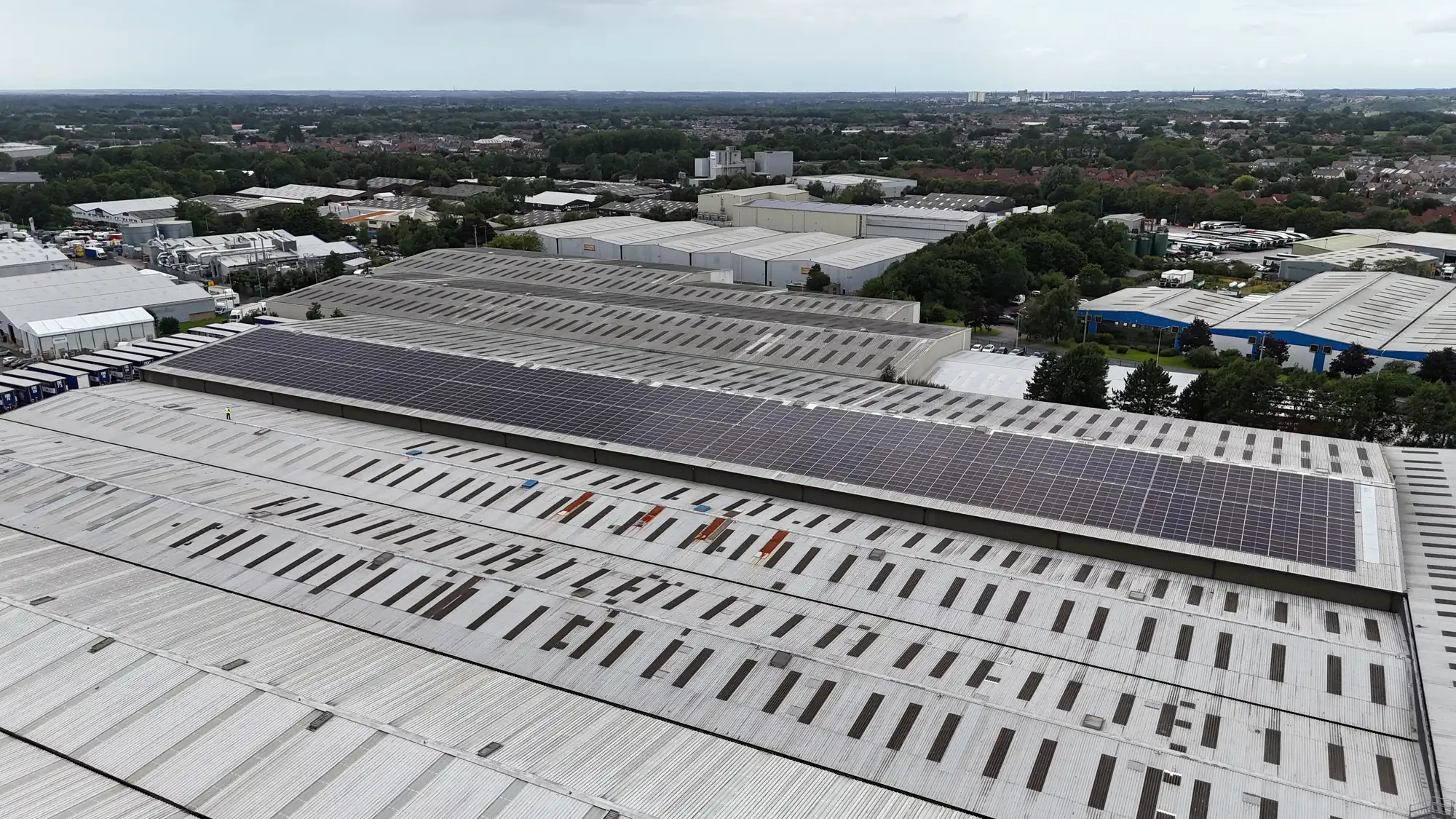
We start with your half-hourly consumption data (or CT-clamp monitoring), then size solar and storage around how your site actually runs. We manage every stage: discovery and energy audit, feasibility and system design, proposal, grid connection and DNO liaison, installation, commissioning and ongoing support. Designs are expandable, so capacity can grow with your site.
Storage can also be added to an existing array. Our retrofit and system upgrade work includes extending systems, integrating storage and rebuilding underperforming installations, whether we installed them or not. Storage often forms one part of a wider decarbonisation roadmap.
Paying for it
Options include CAPEX ownership, lease-to-own and government renewable-energy loans. We can model the return with and without storage so you can see what the battery adds before you commit.
Talk to us
Want to know whether storage would pay its way on your site? Send us your consumption data and we will model it. Tell us about your site or call us on 0800 011 9758.
EV charge points photo: OrangeStarling1997, via Wikimedia Commons, CC BY-SA 4.0.
.jpg)
Power your business with solar.
Our renewables team designs, installs and maintains commercial solar, storage and EV charging across the North West and the UK.