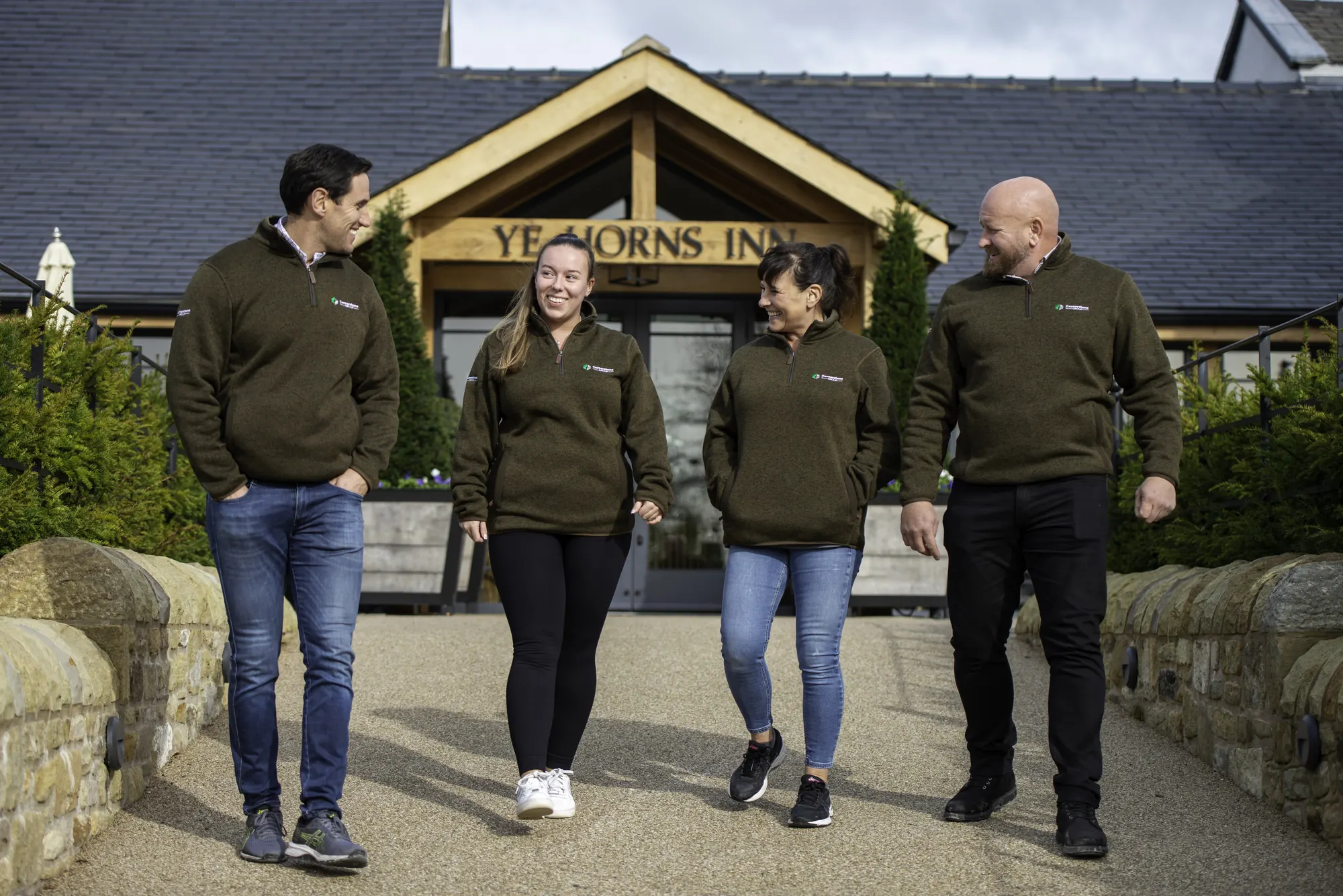

A country pub is often more than a business. Ye Horns Inn was once the thriving centre of its community, but over time it had fallen into disrepair. Our Ye Horns Inn case study sets out the essentials of how it was brought back to life. This spotlight looks at the brief, the constraints and what the project shows about restoration and leisure work.
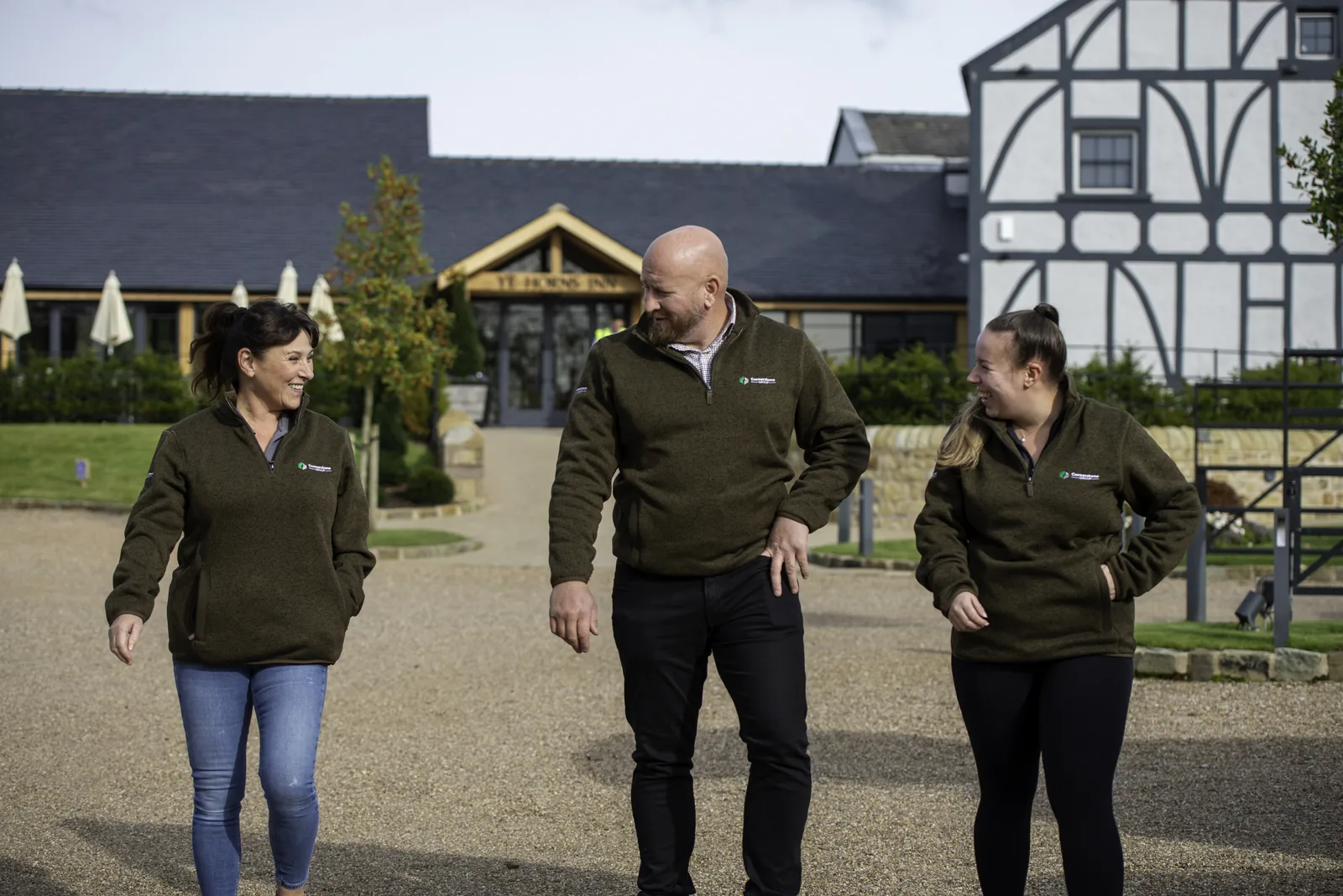
The client's problem
The building needed significant work. The brief had three parts:
- Restore the pub
- Extend the dining area
- Enhance the exterior and grounds
Each of those would be a reasonable project on its own. Together, on a building that had declined, they called for careful coordination.
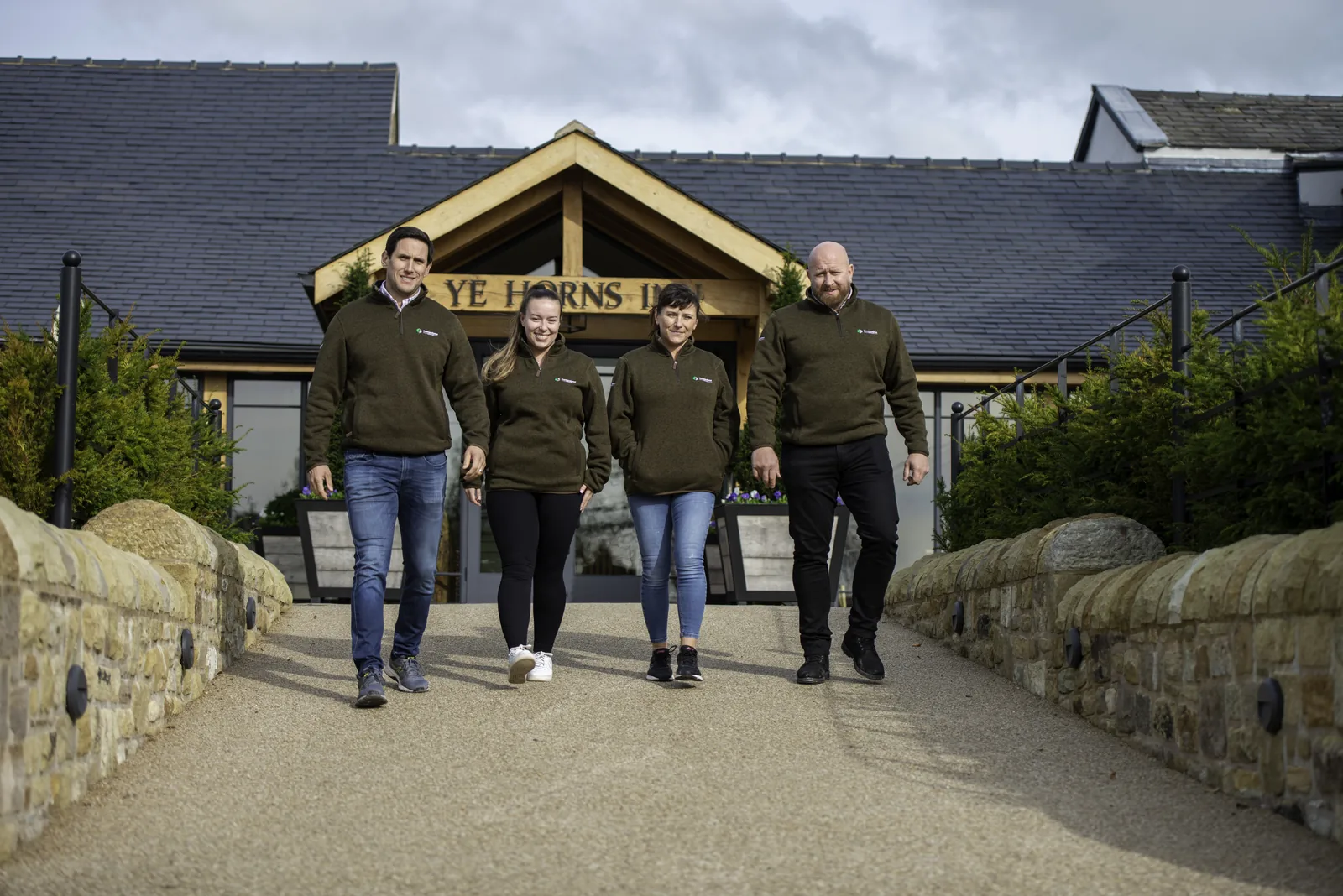
The constraint: a Grade II listed building
Ye Horns Inn is a Grade II listed pub, and the brief required its original listed features to be preserved throughout. That shaped every decision. Restoration had to respect what was already there, and the dining extension had to sit alongside the historic building without compromising its listed character. Work on a listed building also has to follow heritage regulations closely, which adds a layer of care that a standard refurbishment does not need.
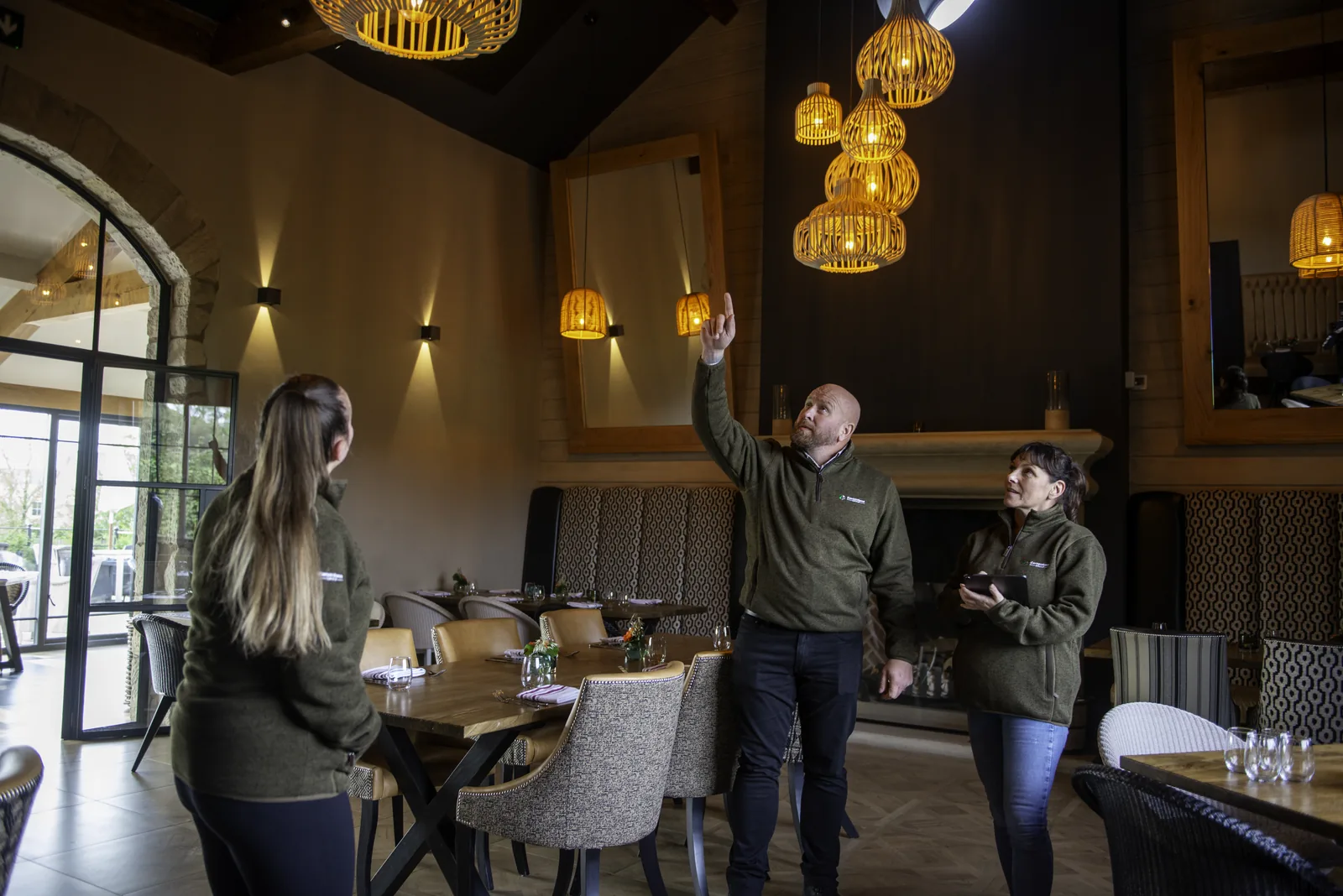
How the team approached it
The solution was a multifaceted restoration that combined three things.
Skilled craftsmanship
Historic buildings reward people who know how to work with traditional fabric. Craftsmanship was central to restoring the pub's interior and protecting the features that give it its character.
Careful attention to heritage regulations
With a listed building, the rules are part of the design brief. Paying close attention to heritage regulations is what allowed the pub to be restored and extended while its original listed features were faithfully preserved.
Tight project management
Bringing restoration, an extension and external works together on one site needs one team holding the programme. Tight project management brought the project in on time and on budget, which is the focus of our quality assurance and project management service.
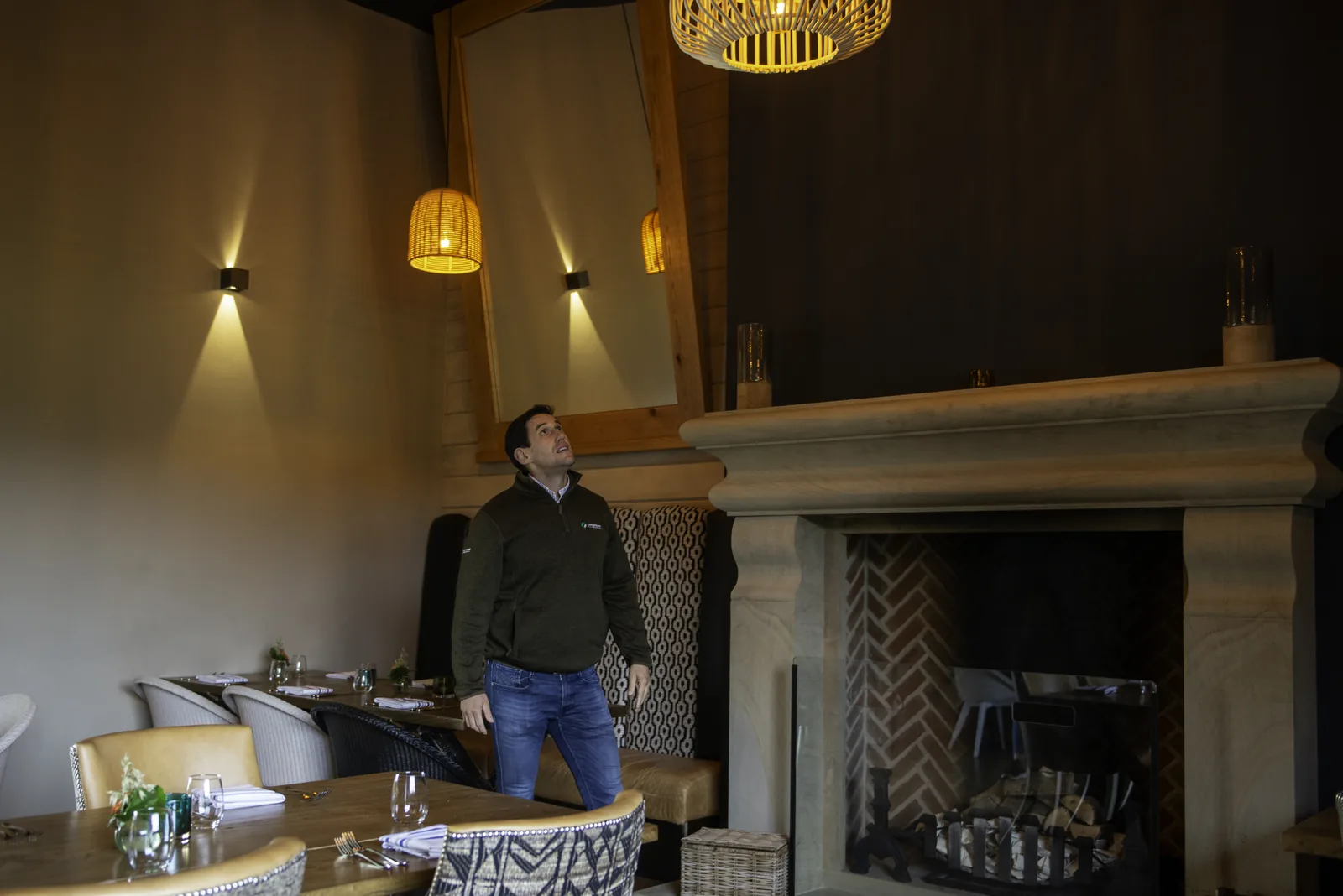
What was delivered
The scope covered interior restoration, a dining extension, and work to the exterior and grounds. The finished pub has:
- An extended dining area with more covers
- Original listed features faithfully preserved
- Transformed curb appeal
- Landscaped grounds
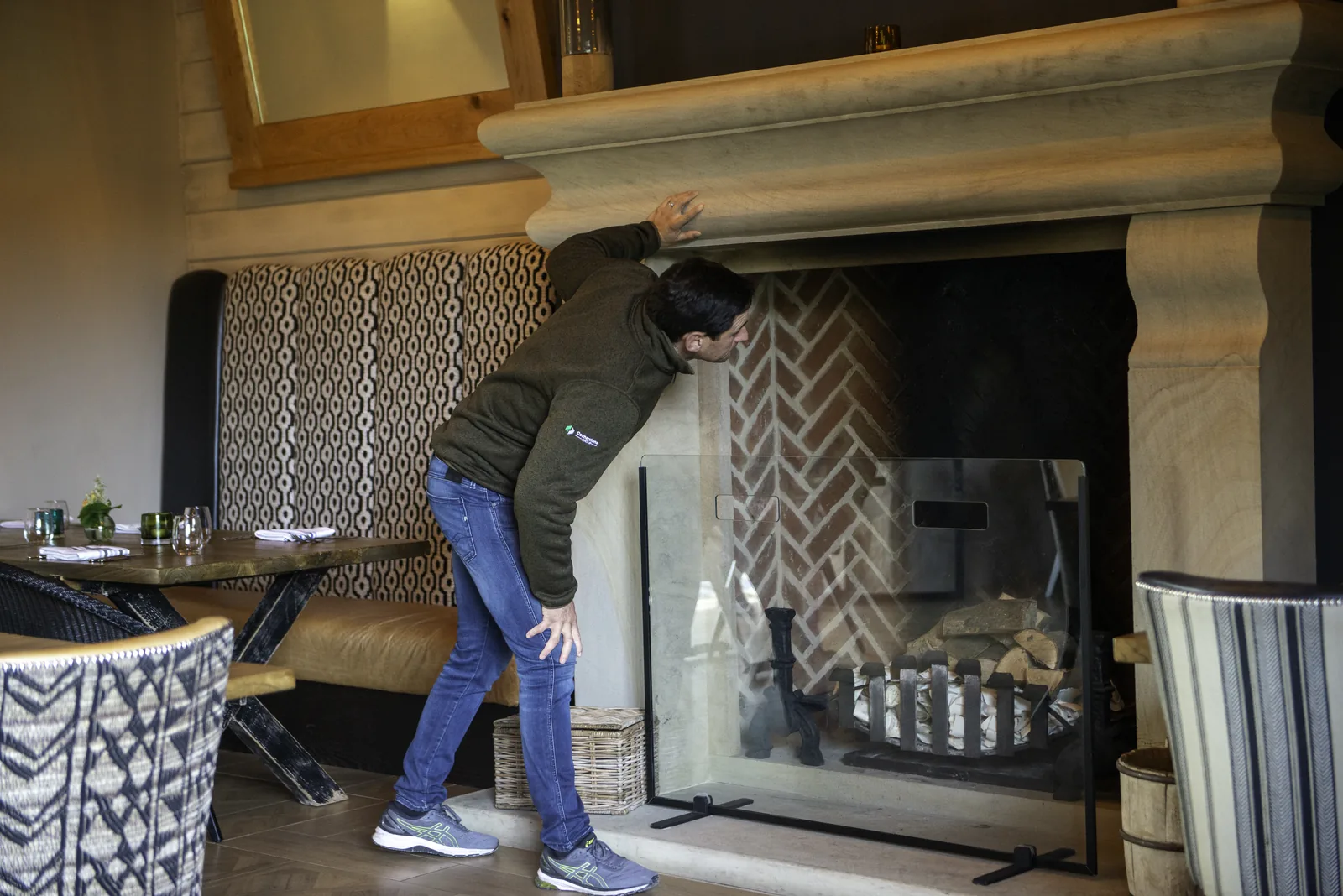
The outcome
The work re-established Ye Horns as a beloved community hub. More covers give the business more capacity, the restored exterior and grounds make a strong first impression, and the preserved listed features keep the character that made the pub special in the first place.
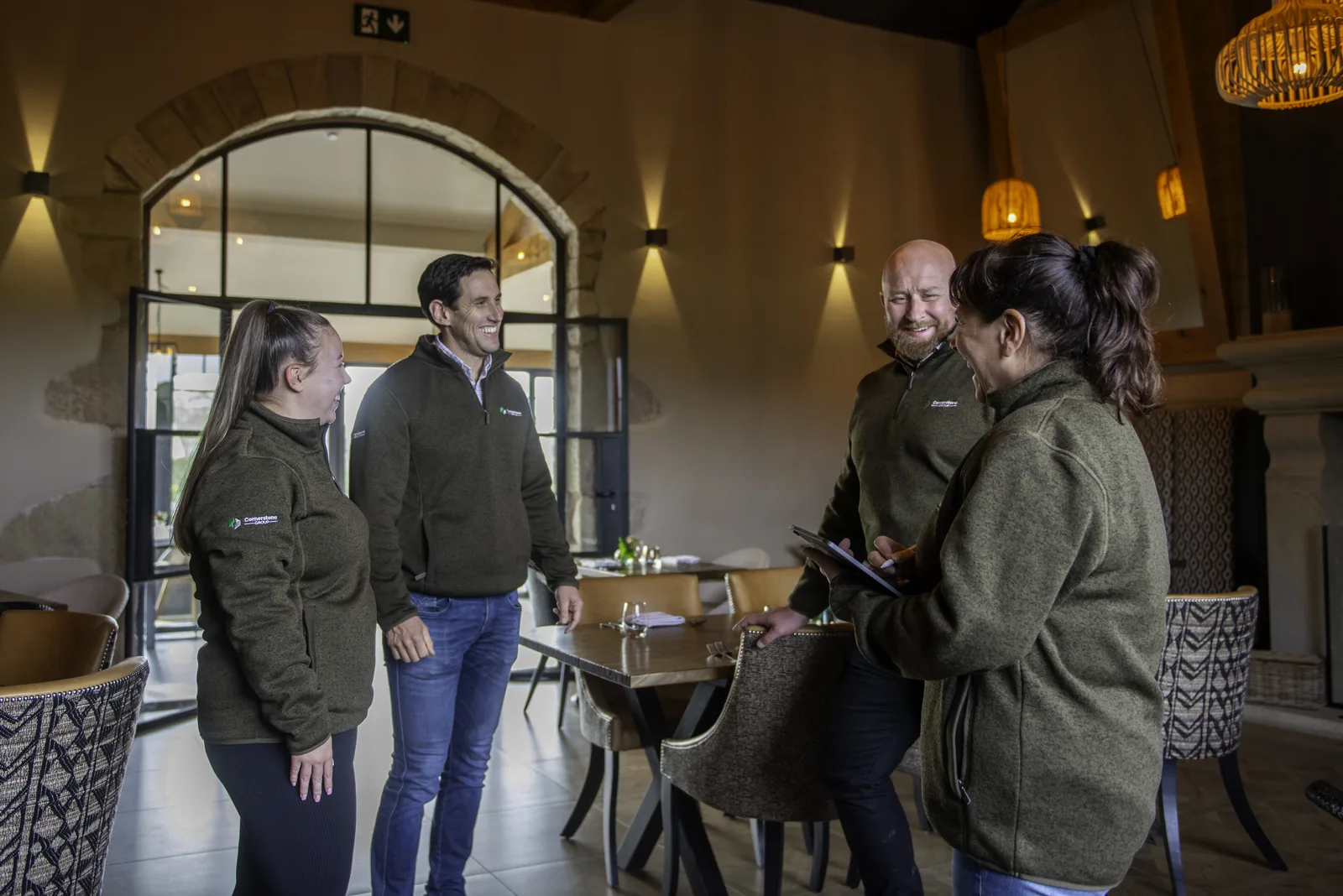
What it shows about restoration and leisure work
For a hospitality business, the building is part of the guest experience. As we set out on our leisure and hospitality construction page, bars and restaurants are among the facilities we build, and guests judge a venue before they have even stepped inside. At Ye Horns, improving curb appeal and the grounds was as much part of the brief as the interior.
External works and hard landscaping also form part of our civil engineering offer, alongside drainage, access roads and car parks, which is useful when a project extends beyond the building itself.
Ye Horns sits alongside another heritage project in our portfolio. At Fober Farm, a 17th-century barn in the Forest of Bowland was restored with traditional techniques and lime mortar for a farming family. You can read the full story in our Fober Farm barn project spotlight, or browse more of our work on the case studies page.
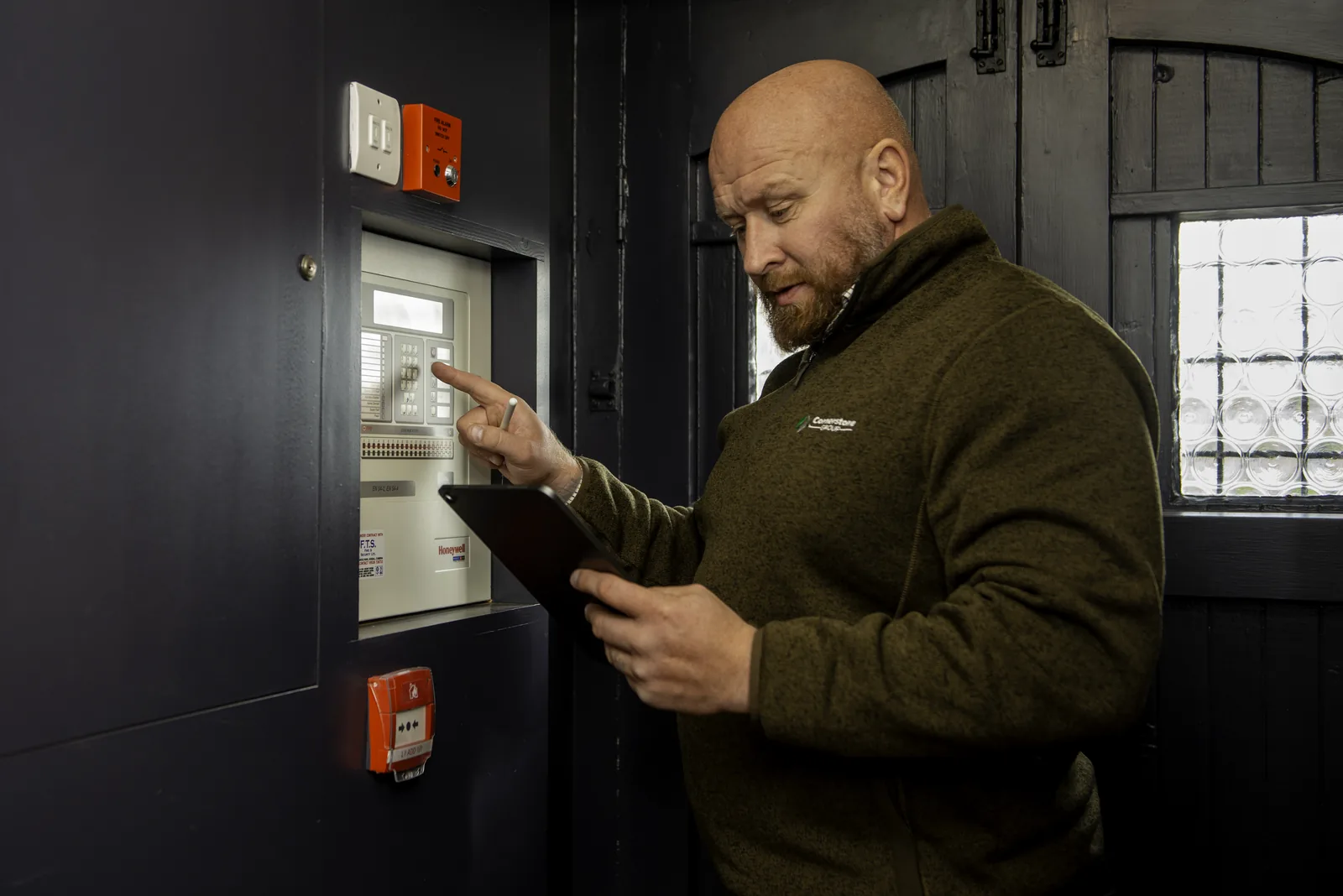
More from the project
Planning something similar?
If you own a listed or historic building that needs restoring, extending or bringing back into use, we can help you plan the work around its heritage features. Tell us about your project or call 0800 011 9758.
Power your business with solar.
Our renewables team designs, installs and maintains commercial solar, storage and EV charging across the North West and the UK.